

Straight to content

What Are Wetlands?

  • Healthy Wetland Nature

Wetlands are aquatic ecosystems located at the interface of land and water.

These unique ecosystems cover a large category of inland aquatic systems (such as ponds, lakes, marshes, swamps and peatlands); coastal and nearshore marine ecosystems (such as coral reefs, mangroves, seagrass beds and estuaries) and human-made wetlands (such as fish-ponds, and water storage areas, like tanks, reservoirs, and dams). Wetlands exist in every country and in every climatic zone, from the polar regions to the tropics, and from high altitudes to dry regions. Wetlands are a vital natural capital, playing a disproportionate role in ensuring water, food, and climate security.

Types of Wetlands

Peatlands

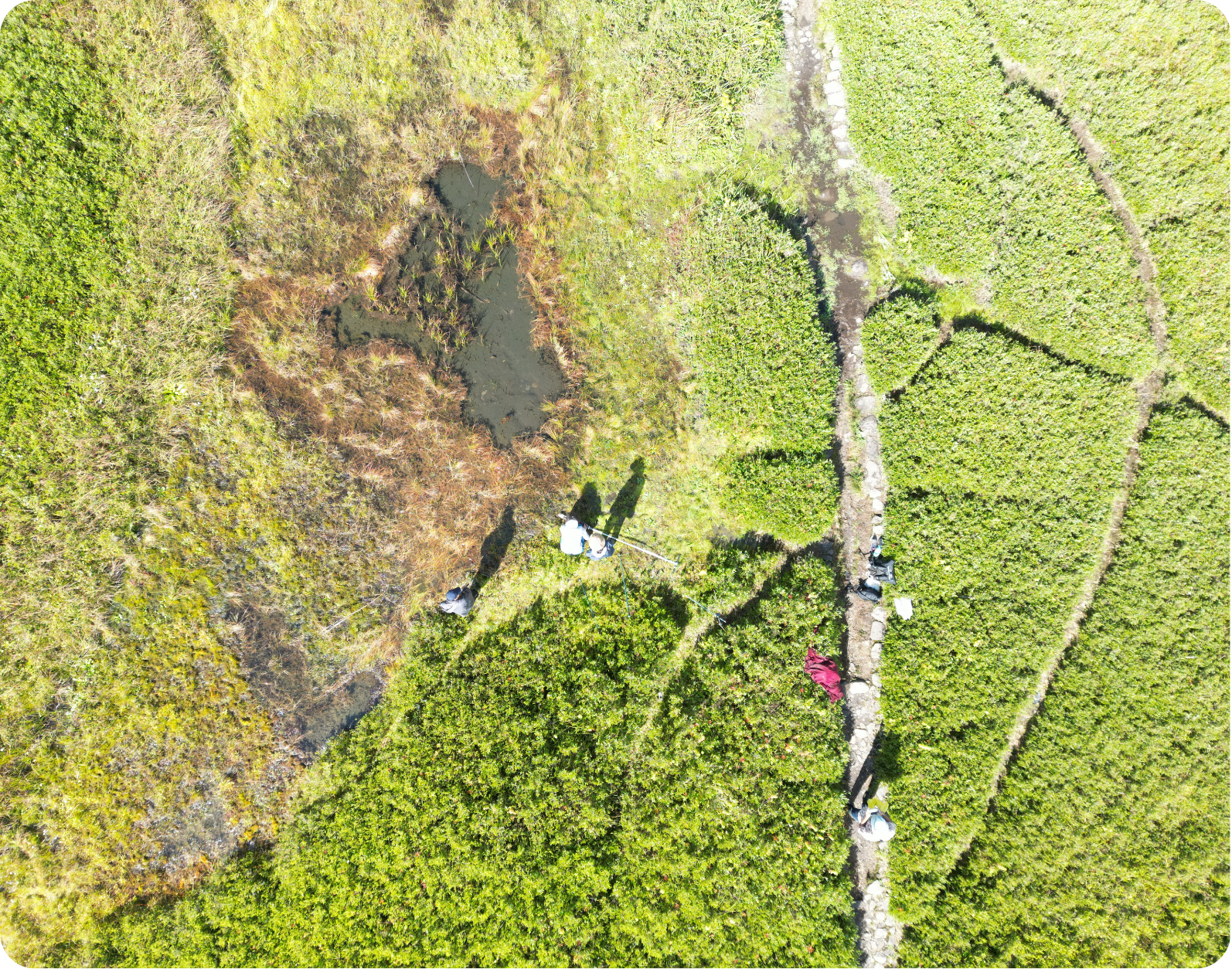
Peatlands are wetlands with a thick waterlogged soil layer made up of dead and decaying plant material. They include moors, bogs, mires, peat swamp forests and permafrost tundra. Despite covering only 3-4% of the global land surface, peatlands hold nearly one-third of the world’s soil carbon. Peatlands are vital to the water cycle, acting as natural reservoirs that store and filter water, regulate streamflow, and buffer flood impacts. These unique ecosystems also support unique biodiversity and sustain the livelihoods of millions. Moreover, peatlands often preserve archaeological artefacts and contain layered records of past environmental conditions, offering crucial insights for understanding long-term climate patterns and projecting future climate change. Damaged peatlands are a major source of greenhouse gas emissions, along with a concomitant loss of their ability to sequester carbon, regulate hydrological regimes, and support biological diversity. Safeguarding carbon locked in peatlands is essential to achieving the global climate goals.
Rivers and Lakes

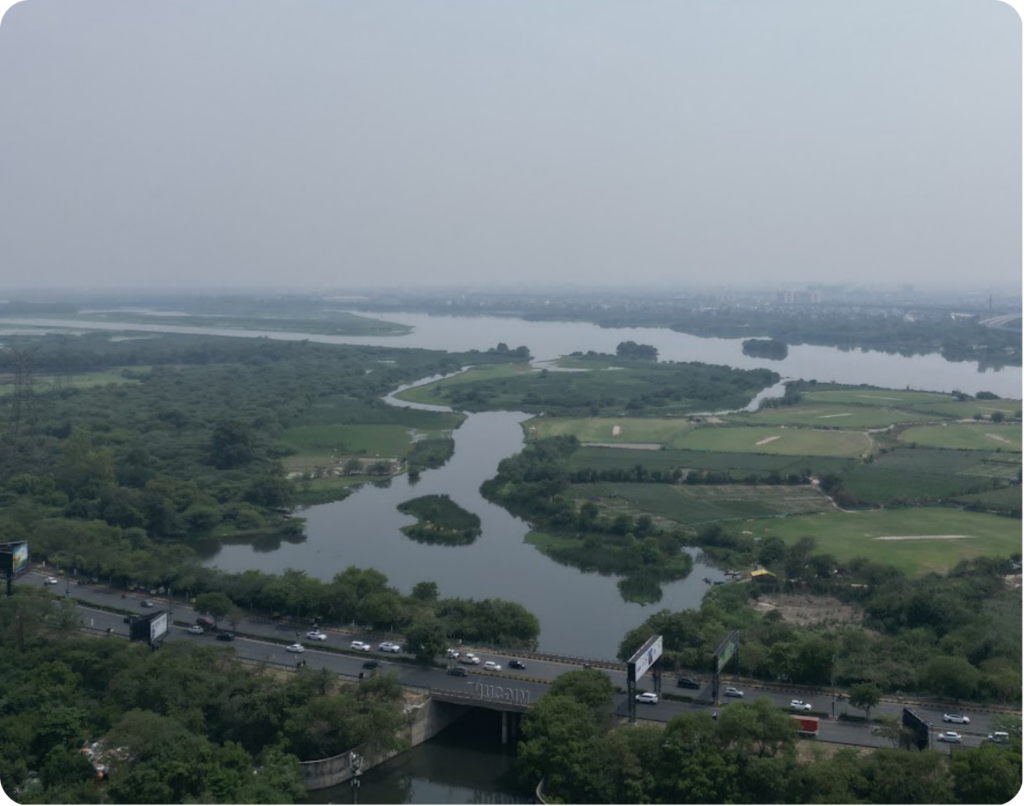
A river is a natural watercourse, typically carrying freshwater from its source toward an ocean, lake, sea, or another river. Rivers and lakes are vital for sustaining the livelihoods of millions through fisheries, agriculture, and water supply. River waters recharge lakes and carry fertile sediments that enrich floodplains and marshes, enhancing soil productivity and supporting diverse ecosystems. These wetlands harbour rich biodiversity and play a key role in maintaining water security and regulating hydrological cycles. Culturally, rivers and lakes hold deep religious and spiritual significance, shaping local traditions and community identities across South Asia. Despite their importance, they face severe anthropogenic pressures, including pollution, encroachment, and conversion to non‑wetland uses, which lead to their degradation. Conserving and sustainably managing these wetlands is therefore essential to ensure water and food security.
Vibrant Coasts and Deltas

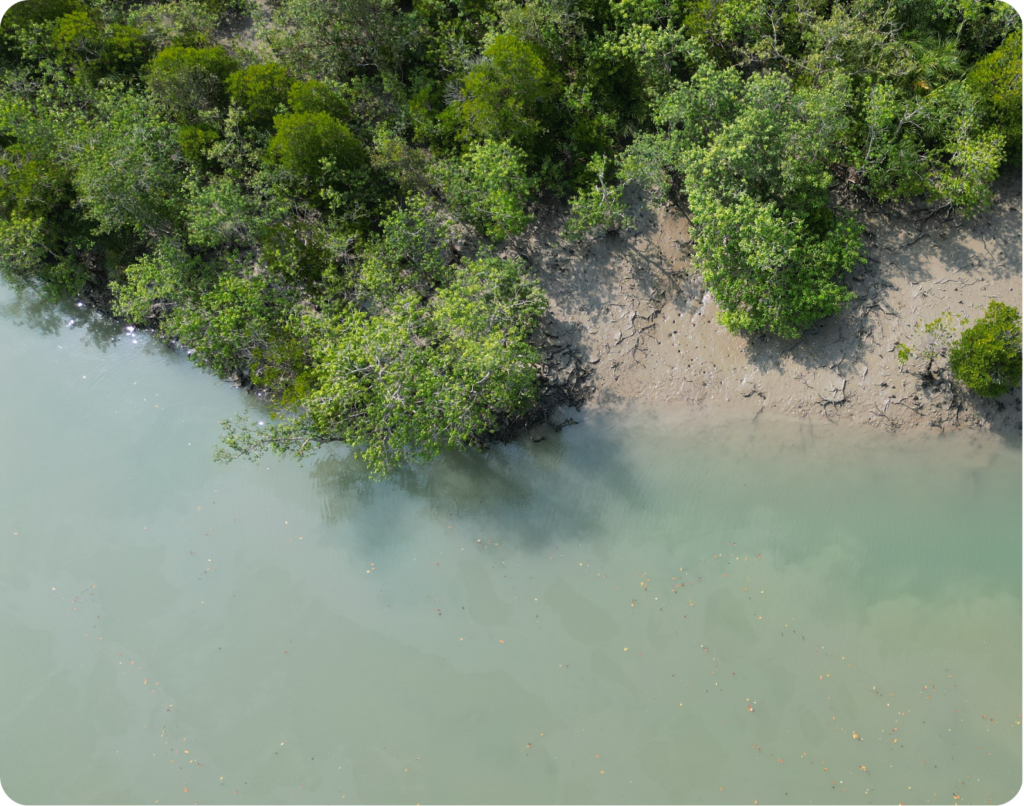
Coastal wetlands such as mangroves, salt marshes, lagoons, and mudflats are integral to resilient and productive coastal landscapes. These wetlands support fisheries, protect shorelines, and buffer communities from storms and sea‑level rise, while serving as nurseries for fish and shellfish that sustain millions of coastal livelihoods.

Mangroves stabilise sediments, absorb tidal surges, and reduce erosion, enhancing coastal defence and climate‑adaptation. Coastal wetlands also store large amounts of carbon, making them important natural sinks, and are closely linked to the cultural and religious practices of local communities. Loss of coastal wetlands increases exposure to extreme events, saltwater intrusion, and declining fisheries, especially in low‑lying deltas. Protecting and managing them within their wider landscape and seascape context is essential for sustaining biodiversity, ecosystem services, and coastal resilience.
Types of wetlands

Why Wetlands Matter

Wetlands are important societal assets and form the core of society’s ecological and economic security. As ‘kidneys of landscape’, wetlands receive water and waste from upstream sources and help stabilise water supplies, cleanse polluted waters, protect shorelines, and recharge groundwater aquifers. The extensive food chain and biological diversity in wetlands make them ‘biological supermarkets’. Wetlands are valuable as sources, sinks and transformers of many biological, chemical and genetic materials. In addition, wetlands have special attributes as cultural heritage of humanity and have deep connections with our beliefs and practices.

Wetands as Source of Water

As water moves across the surface or through the subsurface, it passes through wetlands that regulate the quantity, quality, and reliability of water supplies. Wetlands are estimated to recharge about 14% of utilisable groundwater and contribute roughly 6% of utilisable surface water. The high‑altitude wetlands of the Himalayas are the source of the ten largest rivers in South Asia, which together support hundreds of millions of people downstream. For several cities,wetlands are the primary source of water, as reflected in the moniker ‘city of lakes’ given to Udaipur and Bhopal in India, Pokhara in Nepal, and several others. Wetlands help purify water by trapping pollutants in their sediments and vegetation, effectively acting as natural filters. In particular, high levels of nutrients such as phosphorus and nitrogen, commonly associated with agricultural runoff, can be significantly reduced as water flows through wetlands, improving downstream water quality.

Wetlands as Source of Food

Sustainably managed wetlands can provide a range of plants, animals and mineral products. Nearly two-thirds of fish is sourced from coastal wetlands. Over three-fourths of rice in Asia is produced in wetlands. Honey is collected from many mangrove swamps, including Sunderbans. Wetlands support the traditional rice‑fish systems in Bangladesh and India, where seasonal flooding and tides are used to grow rice and raise fish or prawns in the same fields.

The floodplain wetlands and deltaic systems of the Rivers Ganges, Brahmaputra, Meghna, Irrawaddy, and Indus serve as major fish‑nursery zones that provide a key source of animal protein and livelihoods for communities. In India, wetlands such as Chilika and Loktak, and in Sri Lanka, coastal lagoons and tank‑cluster systems, similarly support fisheries and small‑scale agriculture that underpin local food security. In Bhutan and Nepal, high‑altitude wetlands feed downstream rivers and irrigation networks that support agriculture. Indian wetlands produce 30 million tons of salt annually. Besides fish, aquatic plants such as Euryale ferox (of which India accounts for over 80% of the global supply), Trapa, and Nelumbo contribute significantly to the food and nutritional security.

Wetlands as Biodiversity Hotspots

Wetlands serve as habitats for numerous plant and animal species, including several of high conservation value. The floral diversity supported by these ecosystems ranges from unicellular algae and bryophytes, including mosses and ferns, to woody angiosperms. The faunal diversity supported by Indian wetlands is equally rich, with some species entirely using the aquatic habitat for the entire lifecycle (such as fish, dolphins, otters), whereas some use it partially or even obligately (such as swamp deer, hog deer, fishing cat, rhinoceros, elephant, wild buffalo). Ecologically dependent on wetlands, migratory waterbirds connect continents, hemispheres, cultures and societies through their seasonal movements. Migrating birds use wetlands as stopover sites for feeding, resting and breeding. Wetlands such as Bumdeling in Bhutan provide critical winter habitat for the globally threatened black‑necked crane, while Chilika Lake in India supports populations of over 1% of the known biogeographical population of more than 40 waterbird species and is one of only two lagoons in the world inhabited by the Irrawaddy dolphin.

Wetlands as Biodiversity Hotspots

Wetlands serve as habitats for numerous plant and animal species, including several of high conservation value. The floral diversity supported by these ecosystems ranges from unicellular algae and bryophytes, including mosses and ferns, to woody angiosperms. The faunal diversity supported by Indian wetlands is equally rich, with some species entirely using the aquatic habitat for the entire lifecycle (such as fish, dolphins, otters), whereas some use it partially or even obligately (such as swamp deer, hog deer, fishing cat, rhinoceros, elephant, wild buffalo). Ecologically dependent on wetlands, migratory waterbirds connect continents, hemispheres, cultures and societies through their seasonal movements. Migrating birds use wetlands as stopover sites for feeding, resting and breeding. Wetlands such as Bumdeling in Bhutan provide critical winter habitat for the globally threatened black‑necked crane, while Chilika Lake in India supports populations of over 1% of the known biogeographical population of more than 40 waterbird species and is one of only two lagoons in the world inhabited by the Irrawaddy dolphin.

Wetlands as Climate Superheroes

Wetlands play a key role in both mitigating and adapting to a changing climate. Some wetlands, such as mangroves and salt marshes act as carbon stores, thereby reducing the release of greenhouse gases into the atmosphere. Peatlands, in particular, store about 30% of all land‑based carbon, twice the amount held in the world’s forests combined. As water availability becomes more variable, the ability of wetlands to absorb and retain water, moderate floods and storms becomes increasingly important. River floodplains act as ‘natural storage reservoirs’, allowing excess water to spread over a wide area and reducing its depth and speed, which helps lower flood risk downstream. Coastal wetlands such as mangroves, coral reefs, mudflats, and estuaries reduce the damage from storm surges and tidal waves by functioning as physical buffers. The deltas of the Indus, Ganges, Brahmaputra, and Irrawaddy rivers, as well as island countries like Sri Lanka and the Maldives, host rich mangrove ecosystems that are among the most effective colonisers of intertidal habitats. These mangroves provide a wide range of ecosystem services, most notably shoreline protection and coastal defence, which are vital for climate‑resilient coastal communities.

Wetlands as Cradles of Cultural and Spiritual Values

Wetlands are deeply embedded in the culture and traditions, shaping religious and spiritual practices, festivals, customs, and norms. In many countries, such as India and Nepal, various festivals are closely tied to wetlands, reinforcing the association of people, culture, water and wetlands. Wetlands are often revered as sacred spaces, associated with deities, pilgrimage routes, and cosmological beliefs. For instance, Manasarovar, Gosaikunda, Gokyo, Tso Moriri, and Shey Phoksundo in the Hindu Kush Himalaya are venerated across Hindu and Buddhist communities, and customary beliefs around them have long functioned as informal conservation rules limiting pollution and overuse. Traditional knowledge, folklore, and livelihood customs around wetlands have long guided local stewardship, making these ecosystems central to both cultural heritage and everyday life across the region.