
How We Work
Our approach to wetland conservation and wise use reflects the dynamic nature of wetlands and their connection to the broader landscape, communities, and culture.
Wetlands International South Asia focuses on long-term engagement and strategic partnerships to ensure sustainable and effective management of wetlands and improve livelihoods. We implement various strategies, including technical knowledge, policy dialogue, and field demonstrations, to tackle wetland management issues. We act as catalysts for coordinated actions, collaborating with national and state governments, knowledge centres, civil society, and the private sector. We strive to achieve our mission using four interconnected strategies.

Our Focus Areas
Strengthening integrated management of wetlands
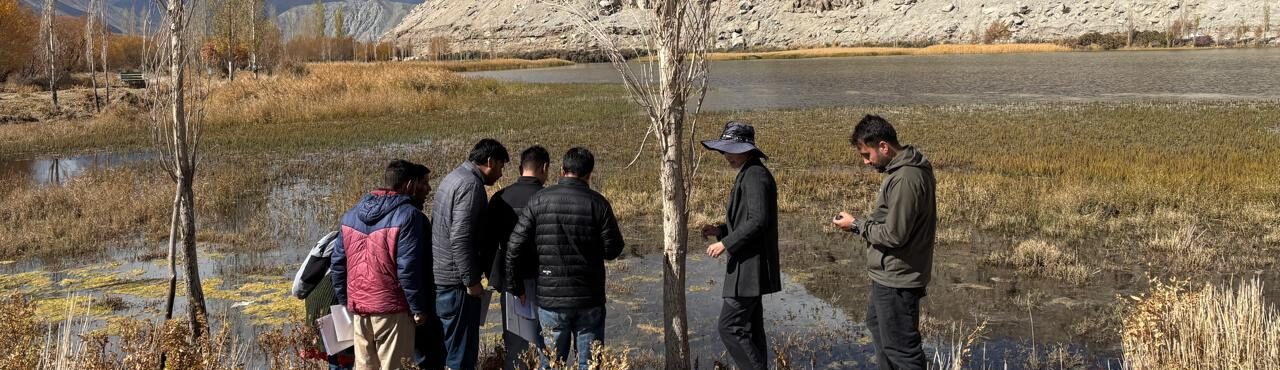
Managing wetlands is an interdisciplinary endeavour that requires an understanding of how wetlands function, the ways in which human societies interact and benefit from these ecosystems. Wetlands International South Asia advocates for a diagnostic approach, systematically evaluating wetlands to assess risks and institutional capacity. We promote landscape-scale management to maintain biodiversity and ecosystem services, promote adaptive management, and enhance the skills of stakeholders through targeted training.
Rejuvenating wetlands for water security
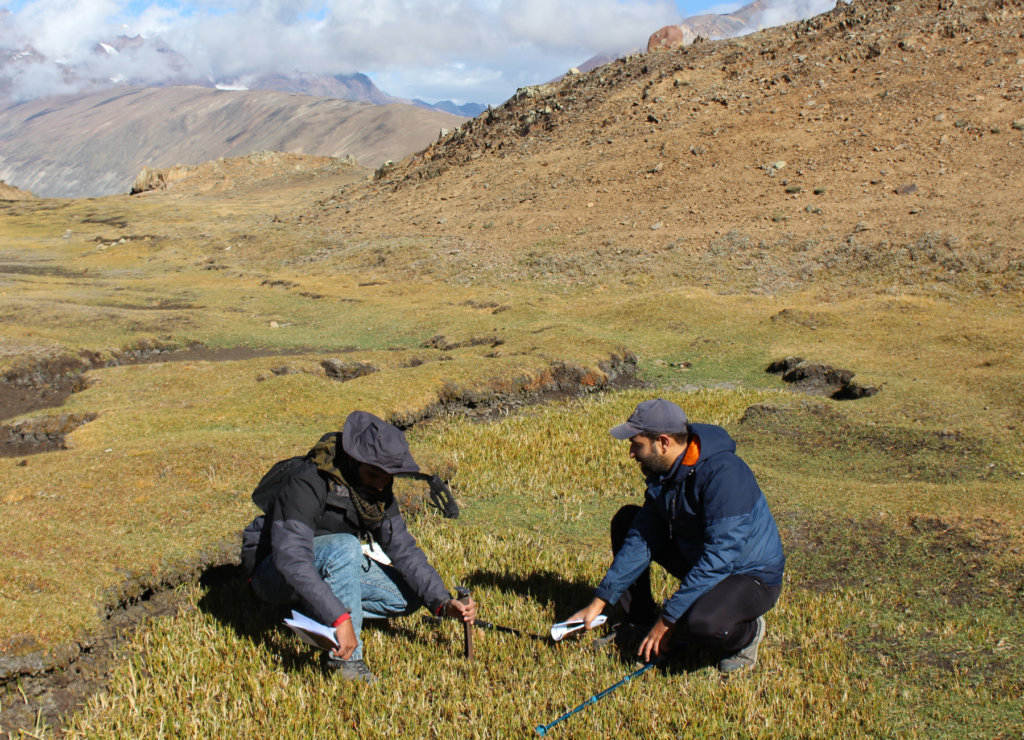
Wetlands are vital for water security, providing essential ecosystem services such as sustaining freshwater supplies and improving water quality by filtering pollutants. Understanding the relationship between wetlands and water regimes is crucial for sustainable management. Wetlands International South Asia advocates for integration of wetlands into water management by fostering collaboration among stakeholders across various sectors.
Nurturing wetlands livelihoods
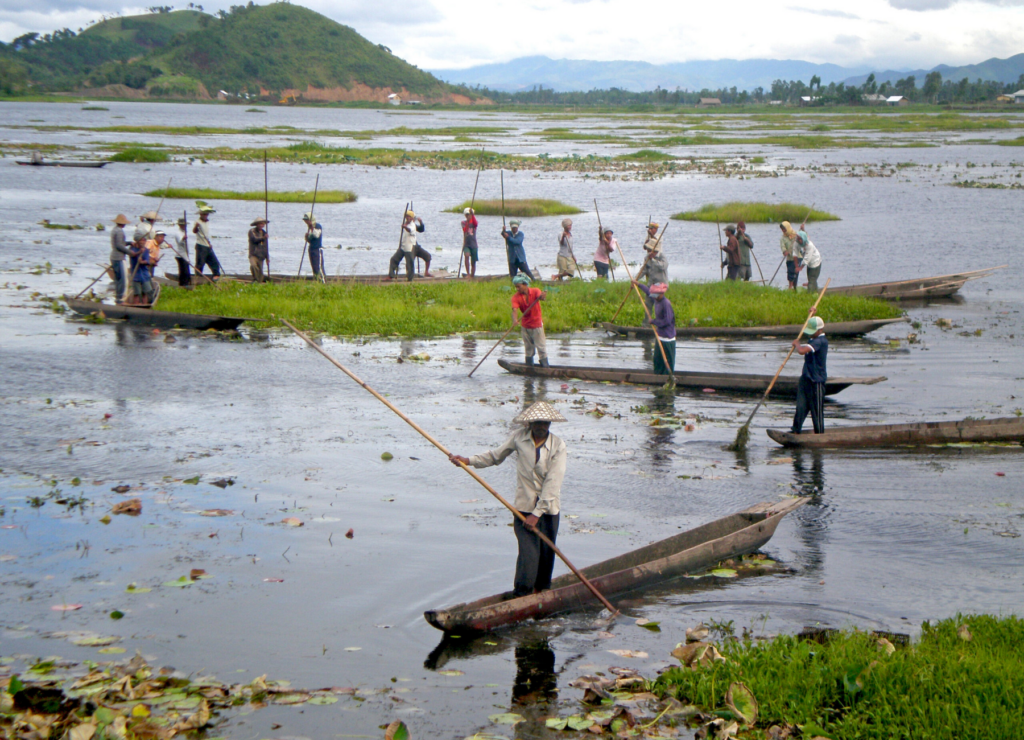
Wetlands are vital ecosystems that support the livelihoods of roughly 85 million people in India, who rely on them for agriculture, tourism, and various products like fish and rice. To uphold wetland values while ensuring human well-being, it’s essential to recognize the connections between livelihoods, wetland functions, and biodiversity. Wetland International South Asia endeavours to strengthen the livelihoods of wetland communities, enhance their capabilities, and assets essential for enhancing the economic and social well-being.
Wetlands as Nature-based solution for disaster risk reduction
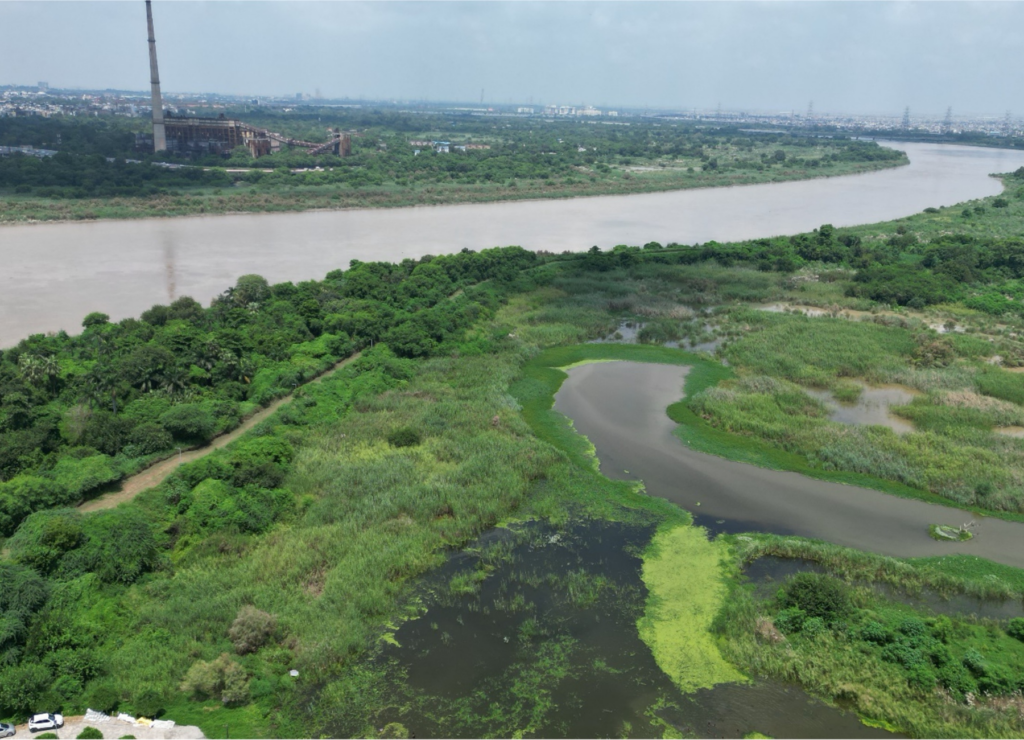
Wetlands are essential for disaster resilience, acting as natural infrastructure shielding communities from extreme events. Integrating wetlands into local plans and programmes can ensure that the contributions wetlands make to societal well-being are considered synergistically within various sectors. Wetlands International South Asia works towards integrating wetlands into sector plans, such as disaster management and enhancing the knowledge and tools for incorporating wetlands as Nature-based solutions.
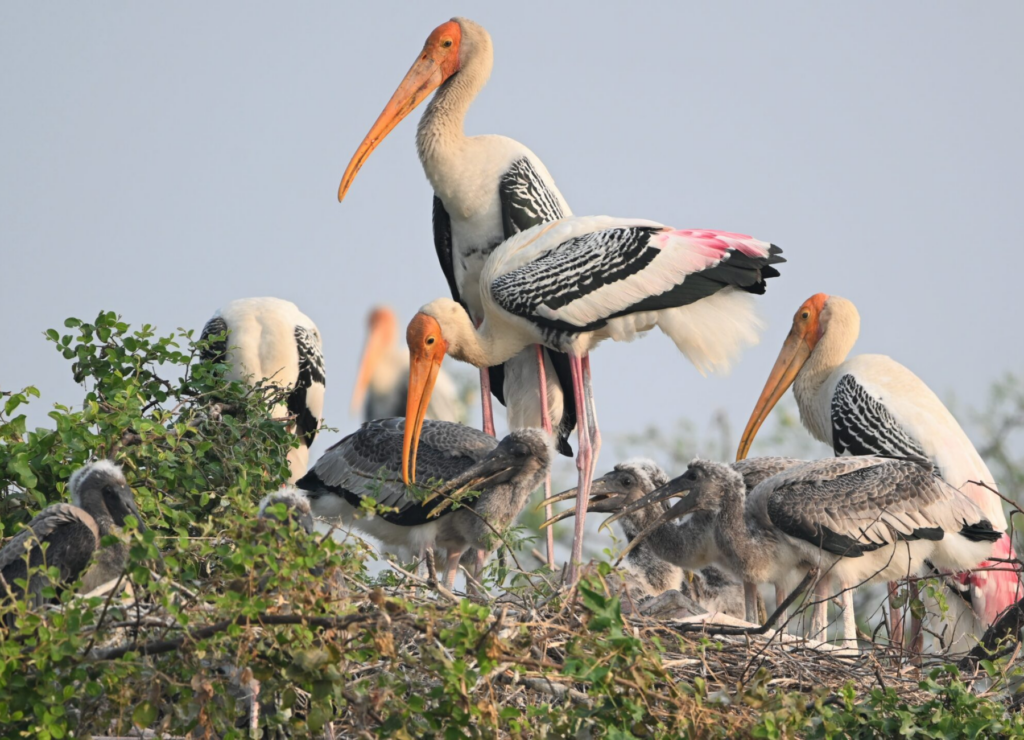
Conserving wetland biodiversity
Wetlands are highly biodiverse ecosystems, supporting about one in every ten known species. In India, nearly 70% of migratory waterbirds along the Central Asian Flyway winter in these wetlands. There is a growing recognition that conserving biodiversity in wetlands requires a shift from isolated interventions to an ecological network approach – a framework that views wetlands as interconnected systems across landscapes and flyways. This approach emphasises the protection of functional linkages between wetlands, enabling species migration, and ecological resilience.
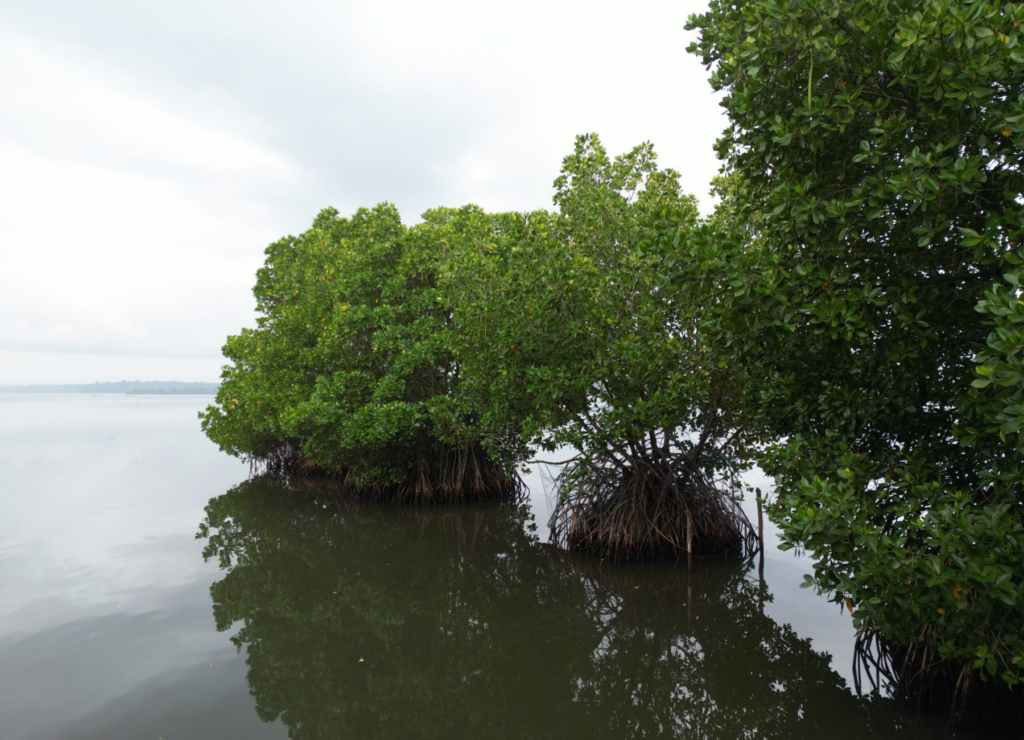
Safeguarding wetland carbon
Wetlands are some of the most effective and efficient natural carbon sinks. When managed effectively, these ecosystems can store carbon at rates far exceeding those of other terrestrial systems. Wetlands International South Asia focuses on developing catalytic knowledge on the carbon storage potential of Indian wetlands and tools to assess and plan for risks on wetlands induced by climate change. Through our work, we envisage demonstrating how wetlands can significantly contribute to both climate change mitigation and adaptation, while also enhancing ecosystem resilience and supporting sustainable development.