
What Are Wetlands?
Wetlands are aquatic ecosystems located at the interface of land and water.
These unique ecosystems cover a large category of inland aquatic systems (such as ponds, lakes, marshes, swamps and peatlands); coastal and nearshore marine ecosystems (such as coral reefs, mangroves, seagrass beds and estuaries) and human-made wetlands (such as fish-ponds, and water storage areas, like tanks, reservoirs, and dams). Wetlands exist in every country and in every climatic zone, from the polar regions to the tropics, and from high altitudes to dry regions. Wetlands are a vital natural capital, playing a disproportionate role in ensuring water, food, and climate security.
Types of Wetlands
Peatlands
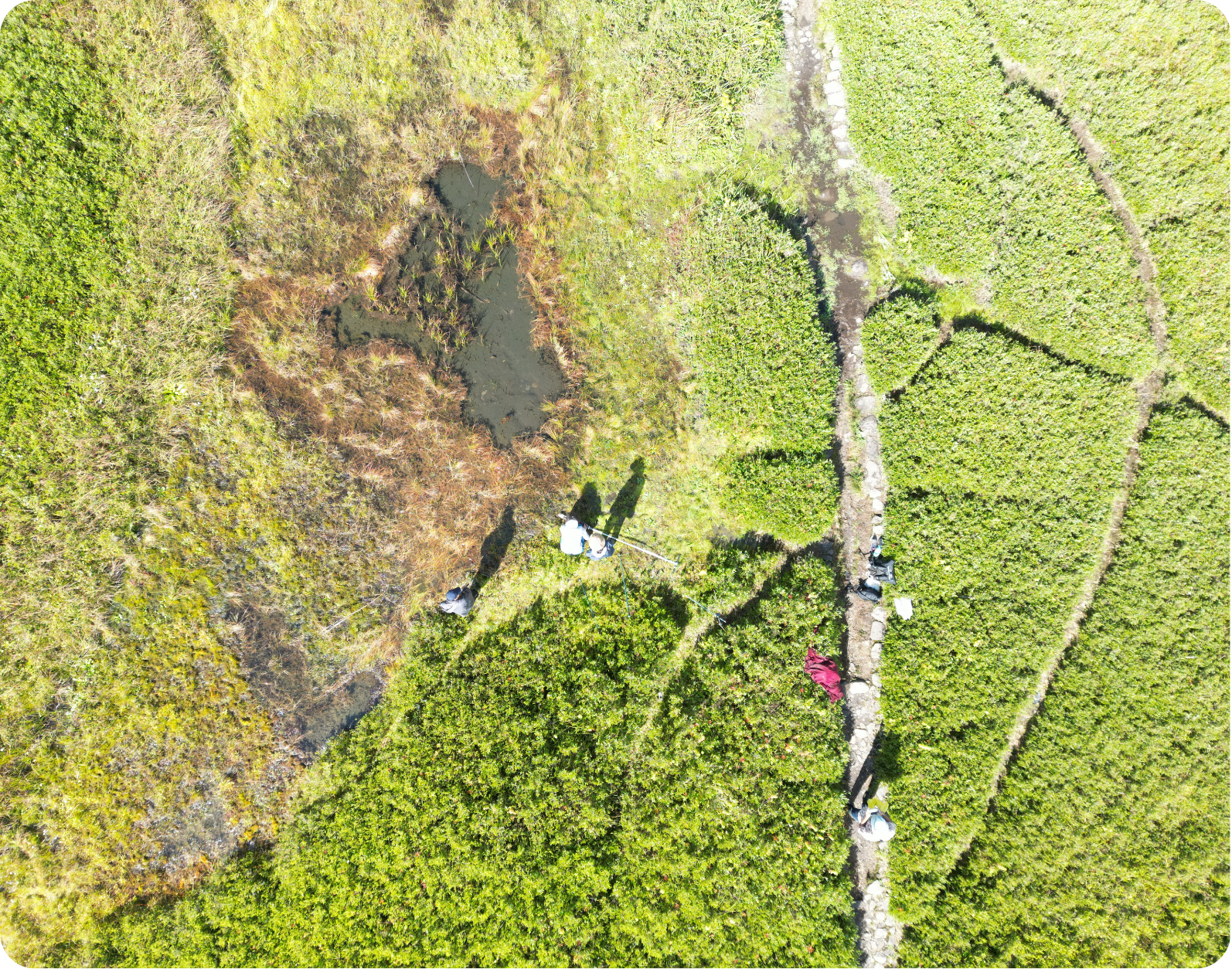
Peatlands are wetlands with a thick waterlogged soil layer made up of dead and decaying plant material. They include moors, bogs, mires, peat swamp forests and permafrost tundra.
Despite covering only 3-4% of the global land surface, peatlands hold nearly one-third of the world’s soil carbon. Peatlands are vital to the water cycle, acting as natural reservoirs that store and filter water, regulate streamflow, and buffer flood impacts. These unique ecosystems also support unique biodiversity and sustain the livelihoods of millions.
Damaged peatlands are a major source of greenhouse gas emissions, along with a concomitant loss of their ability to sequester carbon, regulate hydrological regimes, and support biological diversity. Safeguarding carbon locked in peatlands is essential to achieving the global climate goals.
Rivers and Lakes
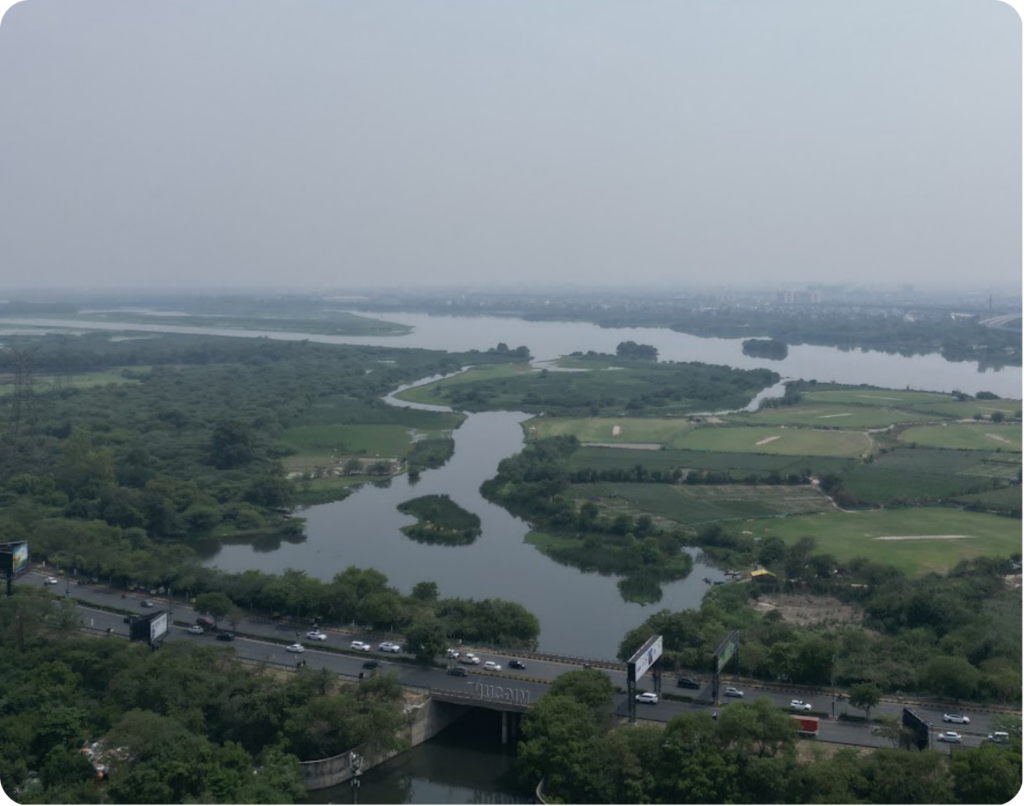
A river is a natural watercourse, typically carrying freshwater from its source toward an ocean, lake, sea, or another river. Rivers and lakes are vital for sustaining the livelihoods of millions through fisheries, agriculture, and water supply. River waters recharge lakes and carry fertile sediments that enrich floodplains and marshes, enhancing soil productivity and supporting diverse ecosystems. These wetlands harbour rich biodiversity and play a key role in maintaining water security and regulating hydrological cycles. Culturally, rivers and lakes hold deep religious and spiritual significance, shaping local traditions and community identities across South Asia.
Despite their importance, they face severe anthropogenic pressures, including pollution, encroachment, and conversion to non‑wetland uses, which lead to their degradation. Conserving and sustainably managing these wetlands is therefore essential to ensure water and food security.
Vibrant Coasts and Deltas
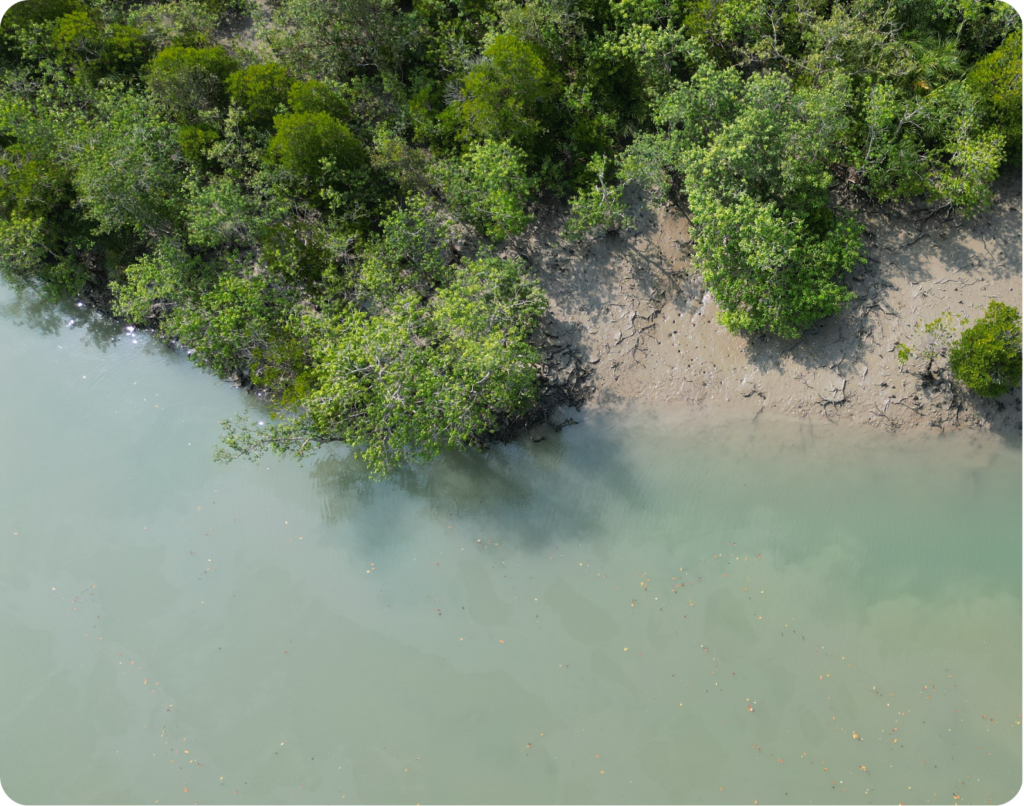
Coastal wetlands such as mangroves, salt marshes, lagoons, and mudflats are integral to resilient and productive coastal landscapes. These wetlands support fisheries, protect shorelines, and buffer communities from storms and sea‑level rise, while serving as nurseries for fish and shellfish that sustain millions of coastal livelihoods.
Mangroves stabilise sediments, absorb tidal surges, and reduce erosion, enhancing coastal defence and climate‑adaptation. Coastal wetlands also store large amounts of carbon, making them important natural sinks, and are closely linked to the cultural and religious practices of local communities.
Loss of coastal wetlands increases exposure to extreme events, saltwater intrusion, and declining fisheries, especially in low‑lying deltas. Protecting and managing them within their wider landscape and seascape context is essential for sustaining biodiversity, ecosystem services, and coastal resilience.