

Wetland OECMs in India: Strengthening Conservation Beyond Protected Areas
-
Capacity development
-
Events
Conservation Asia Congress Nepal 2026, Kathmandu, Nepal
Ms Nikita Mishra, representing Wetlands International South Asia, presented her work on Wetland Other Effective Area-Based Conservation Measures at the Conservation Asia Congress Nepal 2026 in Kathmandu.
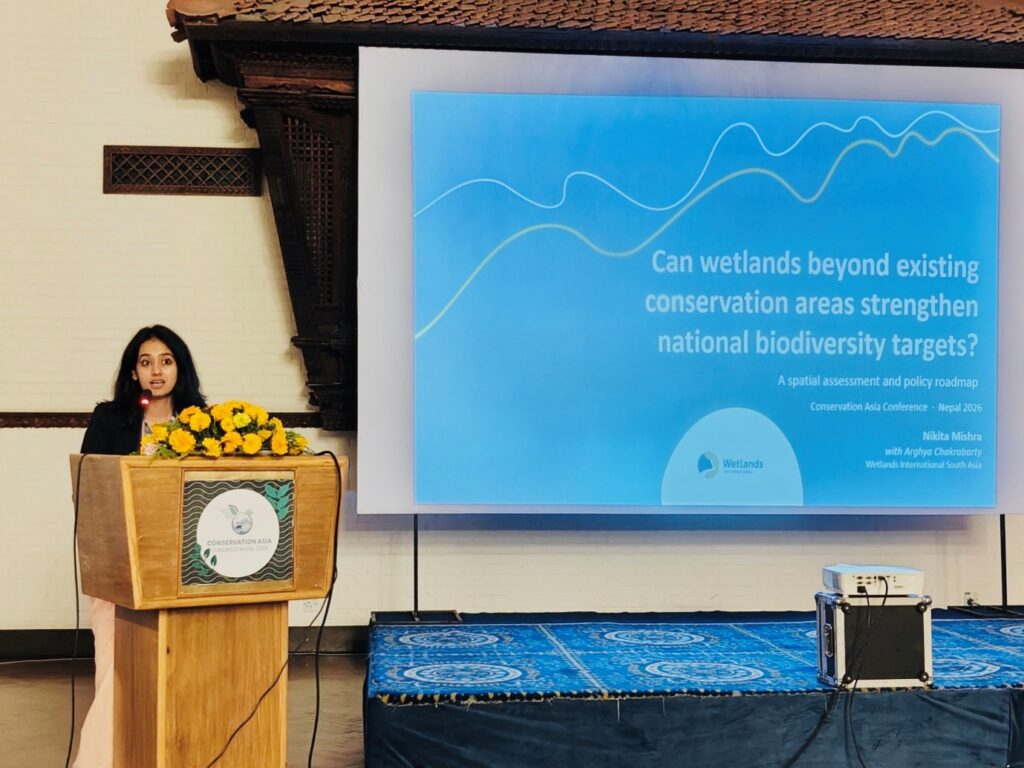
Ms Mishra delivered a presentation titled ‘Can wetlands beyond existing conservation areas strengthen national biodiversity targets? A spatial assessment and policy roadmap during the symposium on ‘Conservation Governance beyond Protected Areas in Asia’. The symposium was organised by IUCN Asia, in partnership with the Asia Protected Areas Partnership (APAP), during Conservation Asia Congress Nepal 2026, hosted under SCB-Asia, and brought together researchers, practitioners, and conservation leaders to discuss governance approaches beyond conventional protected area systems across Asia.
Her presentation focused on the role of wetlands outside existing protected and conservation area networks in contributing to national biodiversity targets. The work highlighted how such wetlands can be identified and assessed as potential OECMs, while also emphasising the need for clear governance, community participation, long-term monitoring, and integration with existing policy frameworks.
The symposium was organised with guidance from Mr Mohammad Khalid Sayeed Pasha, Asia Regional Head – Protected, Conserved and Heritage Areas, IUCN Asia Regional Office. The session was chaired by Dr Olivier Chassot, Senior Project Officer, AlUla Protected Area Network, IUCN-ROWA, and anchored by Mr Devvrat Singh, Independent Ecologist and technical expert, IUCN-ARO. The symposium featured presentations by Md. Quasid Qamar, PhD Scholar, BITS Pilani and RMIT University; Dr Aishwarya Maheshwari, Independent Conservation and Policy Advisor; Ziva Justinek, Program Support Officer, Planet Indonesia; Tao Pang, Project Coordinator, Shan Shui Conservation Centre; and Minhui Li, School of Life Sciences, Fudan University. The session enabled a rich exchange of ideas on conservation governance beyond protected areas across Asia.
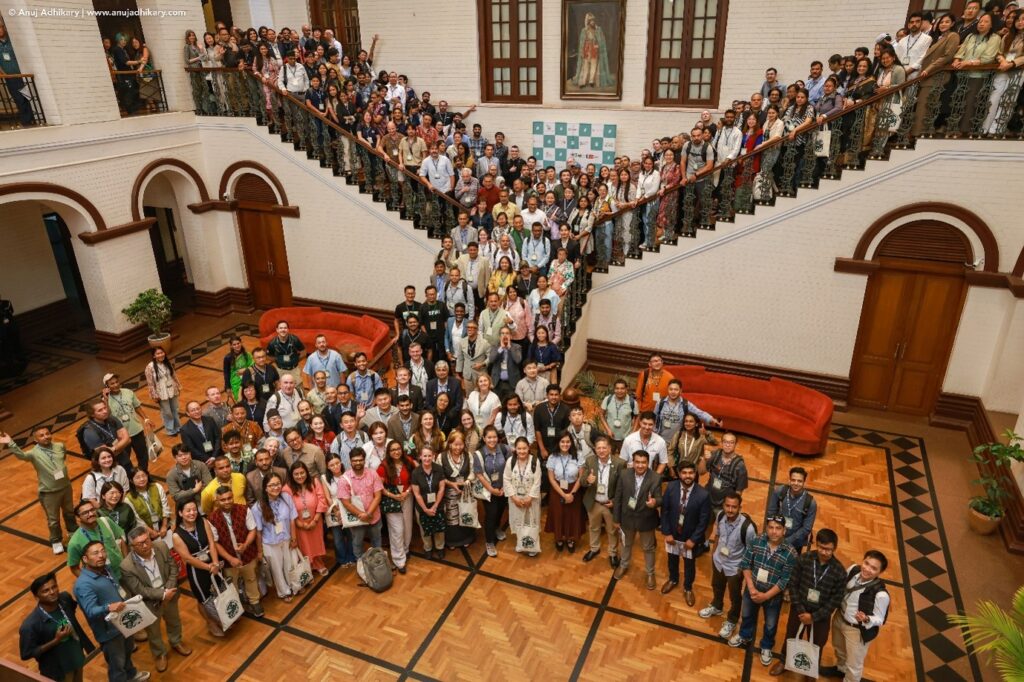
CAC Nepal 2026 brought together close to 500 participants from 42 countries across six continents. The scientific programme included four plenary sessions, 300 oral presentations, 59 poster presentations, and 12 workshops. The congress also placed strong emphasis on inclusive participation, supporting 160 participants through registration and travel-related grants and bringing together students, young professionals, womxn members, and representatives of Indigenous Peoples and Local Communities.
Beyond the technical sessions, CAC Nepal 2026 also created a vibrant space where conservation, community, and culture came together. The congress encouraged conversations not only on biodiversity science and policy, but also on the role of local communities, Indigenous knowledge, youth leadership, and inclusive governance in shaping conservation futures. Set in Kathmandu, the event reflected the region’s rich cultural context and reminded participants that conservation is deeply connected with people, place, identity, and shared stewardship of nature.
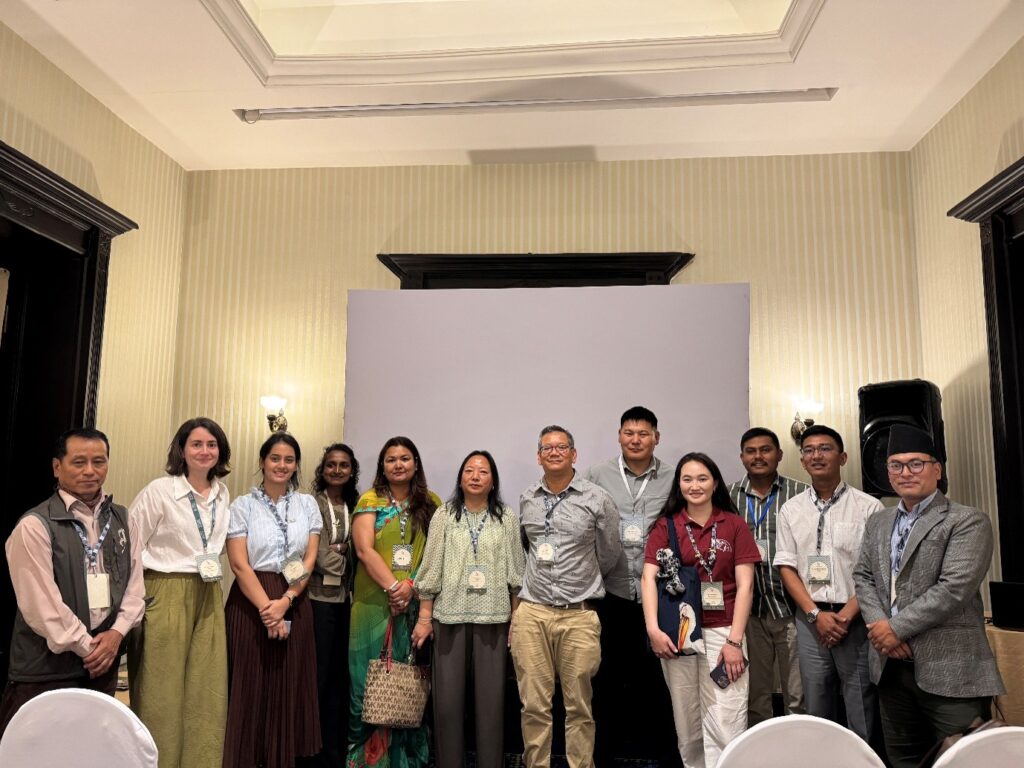
The participation of Wetlands International South Asia highlighted the importance of wetlands in strengthening conservation outcomes beyond protected areas and contributing to global biodiversity goals.