
Inspiring Young Wetland Champions: School Outreach Programmes in Andhra Pradesh and Maharashtra
-
Community resilience
As part of its ongoing efforts to promote wetland awareness among young learners, Wetlands International South Asia started a series of wetland education and experiential learning programmes for students of class VIII in Andhra Pradesh and Maharashtra during June 2026. The initiative was undertaken following an outreach by the Adani Group, which recognised the impact of Wetlands International South Asia’s Wetlands School Programme and invited the team to engage students in understanding the importance of wetlands and their conservation.
The programmes were organised at Adani World School, Krishnapatnam (Andhra Pradesh), on 15-16 June 2026 and NRC School, Kalyan (Maharashtra), on 18-19 June 2026. The sessions began with interactive awareness sessions designed to introduce students to wetlands and their importance. Through presentations, videos, discussions, and quiz-based activities, students learned about wetland ecosystems, the services they provide, the threats they face, and the role that young people can play in their conservation.
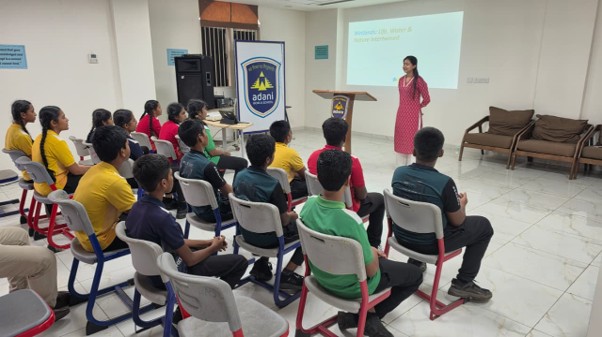
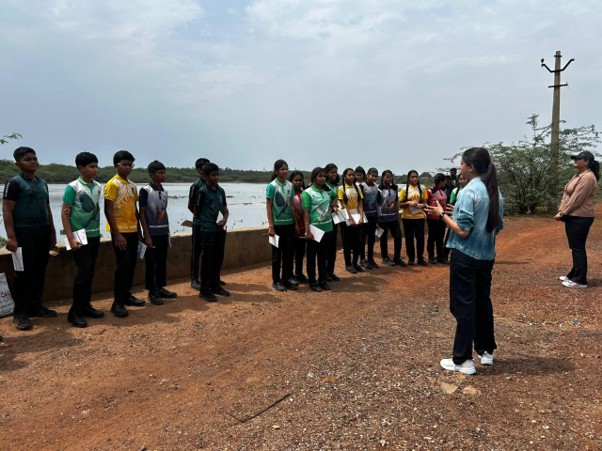
At Adani World School, Andhra Pradesh, the programme engaged 15 students and was followed by a field visit to a wetland within the Krishnapatnam Port area. During the exposure visit, students explored wetland biodiversity, ecosystem services, mangrove ecosystems, and wetland-dependent livelihoods.
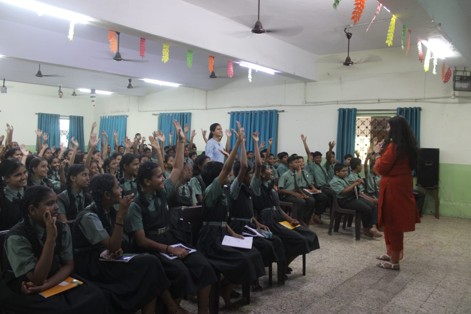
The programme at NRC School, Kalyan, Maharashtra, reached approximately 130 students and school staff. To reinforce learning, students participated in a creative activity where they expressed their understanding of wetlands through drawings and artwork. Based on their participation and engagement, 50 students were selected for a field exposure visit on the following day to the Coastal and Marine Biodiversity Centre (CMBC) in Airoli.
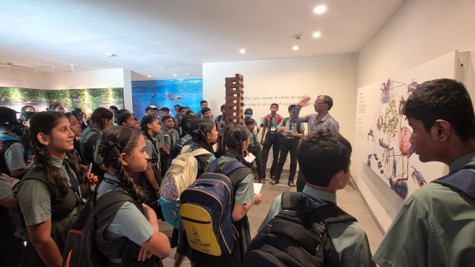
The visit to CMBC provided students with an opportunity to deepen their understanding of coastal and wetland ecosystems through interactive exhibits and guided learning activities. Students were introduced to the region’s biodiversity, including flamingos and turtles, and learned about mangrove species, mudflats, biodiversity conservation, and the ecological significance of high and low tides. Exposure to different bird calls and their ecological roles further enriched the learning experience. The visit helped students appreciate the intricate relationships between wetlands, coastal habitats, and biodiversity while translating classroom concepts into meaningful real-world observations.